
The Ethical Servicescape: Why Sustainability Must Be Felt, Not Just Read
Experiencing ethical retail ideology in the servicescape
This paper explores how retail "servicescapes" manifest ethical retail ideology—a blend of moral, social, and ecological values—through an ethnographic study of independent Finnish stores. It identifies three core experiential themes—Aesthetics, Nostalgia, and Care—that transform physical retail spaces into environments that foster embodied ethical consumption.
TL;DR
Ethical consumption is often framed as a chore of reading labels and making rational trade-offs. However, new ethnographic research from Finland reveals that the most powerful ethical retailers don't just sell "green" products; they create Ideological Servicescapes. By leveraging aesthetics, nostalgia, and a culture of care, these stores turn moral values into a multisensory, embodied experience that resonates deeper than any marketing flyer.
Beyond the Label: The Motivation for "Felt" Ethics
Why do we walk into a small eco-boutique and instantly feel "good," while a sterile supermarket aisle of organic goods feels like a chore? The authors argue that current marketing theory has focused too much on Brand Ideology (the "what") and not enough on the Physical servicescape (the "how") in the context of ethics.
The research intuition here is profound: Ethical consumption is a performance. To sustain this performance, consumers need a stage that supports their moral identity through physical, sensorial, and social cues.
Methodology: A Deep Dive into Finnish Retail
The researchers spent nearly two years immersed in three specific Finnish environments: Kate’s Boutique (sensory and bohemian), Eco Market (functional and plain), and the Tea Room (historical and atmospheric).
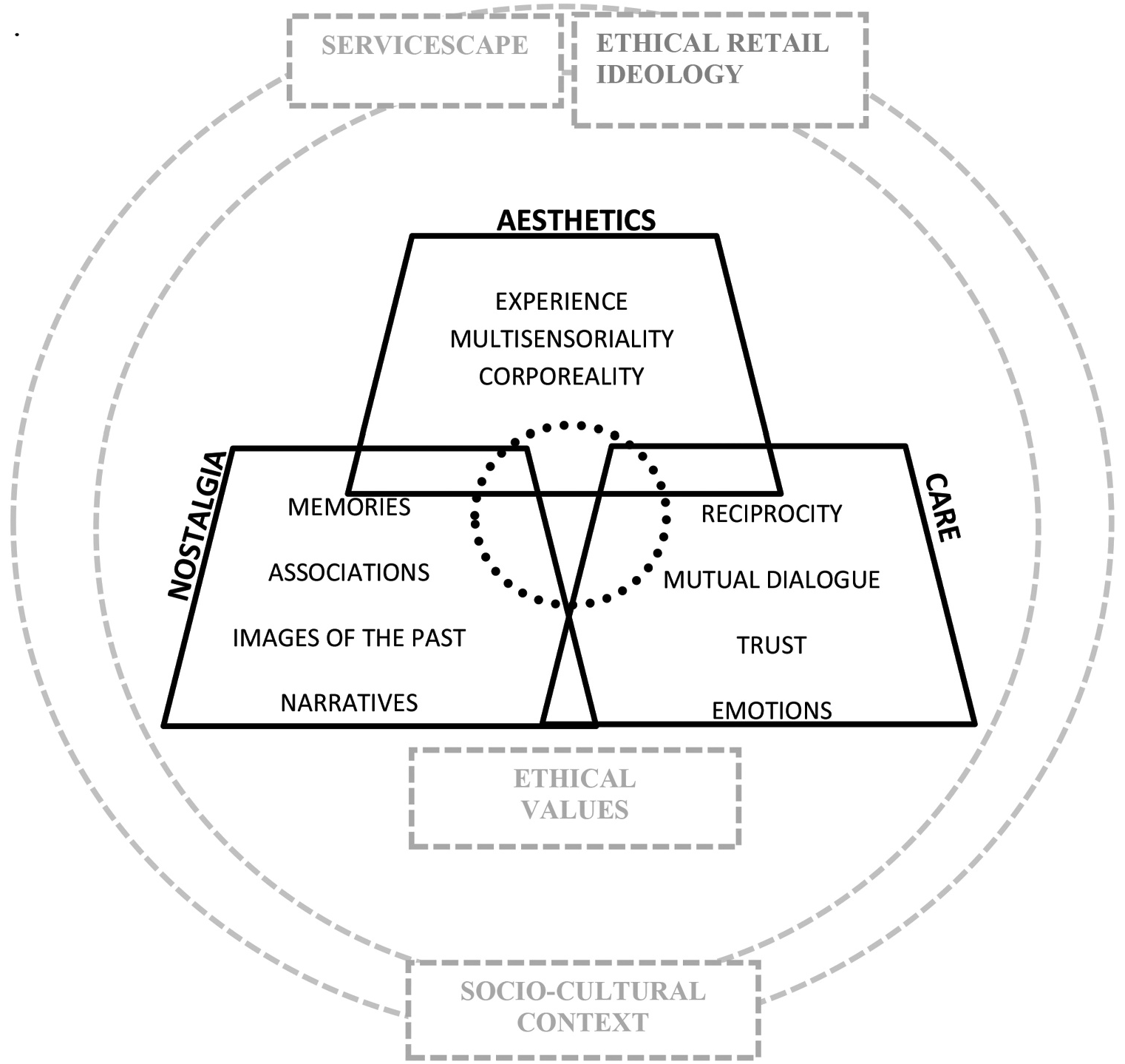
By utilizing "accompanied shopping," where researchers follow participants and record their immediate tactile and emotional reactions, they moved beyond abstract surveys to capture the "synaesthetic" nature of shopping—where what you see influences what you smell and how you feel.
The Core Pillars of the Ethical Experience
1. Aesthetics: The Body as a Moral Sensor
In the studied stores, ethics were manifested through the absence of "hyper-commercial" cues (like loud plastic ads) and the presence of natural materials. The study found that "simple" can be a moral statement; unpainted wood and burlap in the Eco Market signaled that the product was good enough not to need embellishment.
- Insight: Aesthetic pleasure and moral duty are not opposites. A pleasant scent of fresh bread or the tactile grip of recycled paper provides a "hedonic" reward for making an ethical choice.
2. Nostalgia: A Bridge to a Better Past
The use of vintage furniture and historical buildings (especially in the Tea Room) wasn't just for "vibe." It served as a symbolic bridge. Consumers linked these cues to their grandmothers' homes or "bygone eras" when life was perceived as more durable and less wasteful.
- Insight: Nostalgia functions as an "existential" anchor, making the futuristic goal of "saving the planet" feel like a return to authentic, proven roots.
3. Care: The Social Reciprocity
Unlike the self-service model of big-box retail, these ethical servicescapes thrived on Reciprocal Care. When a salesperson explains why they ran out of organic eggs, it’s not an "out of stock" error; it's a social interaction that builds trust.
- Insight: Care is inclusive. From gender-neutral toilets to staff who dress "normally" rather than in corporate uniforms, these spaces make the consumer feel personally cared for, which they then reciprocate by caring for the brand.
Evidence from the Field
The researchers highlight how the physical layout (The Servicescapes) directly dictates the level of immersion.
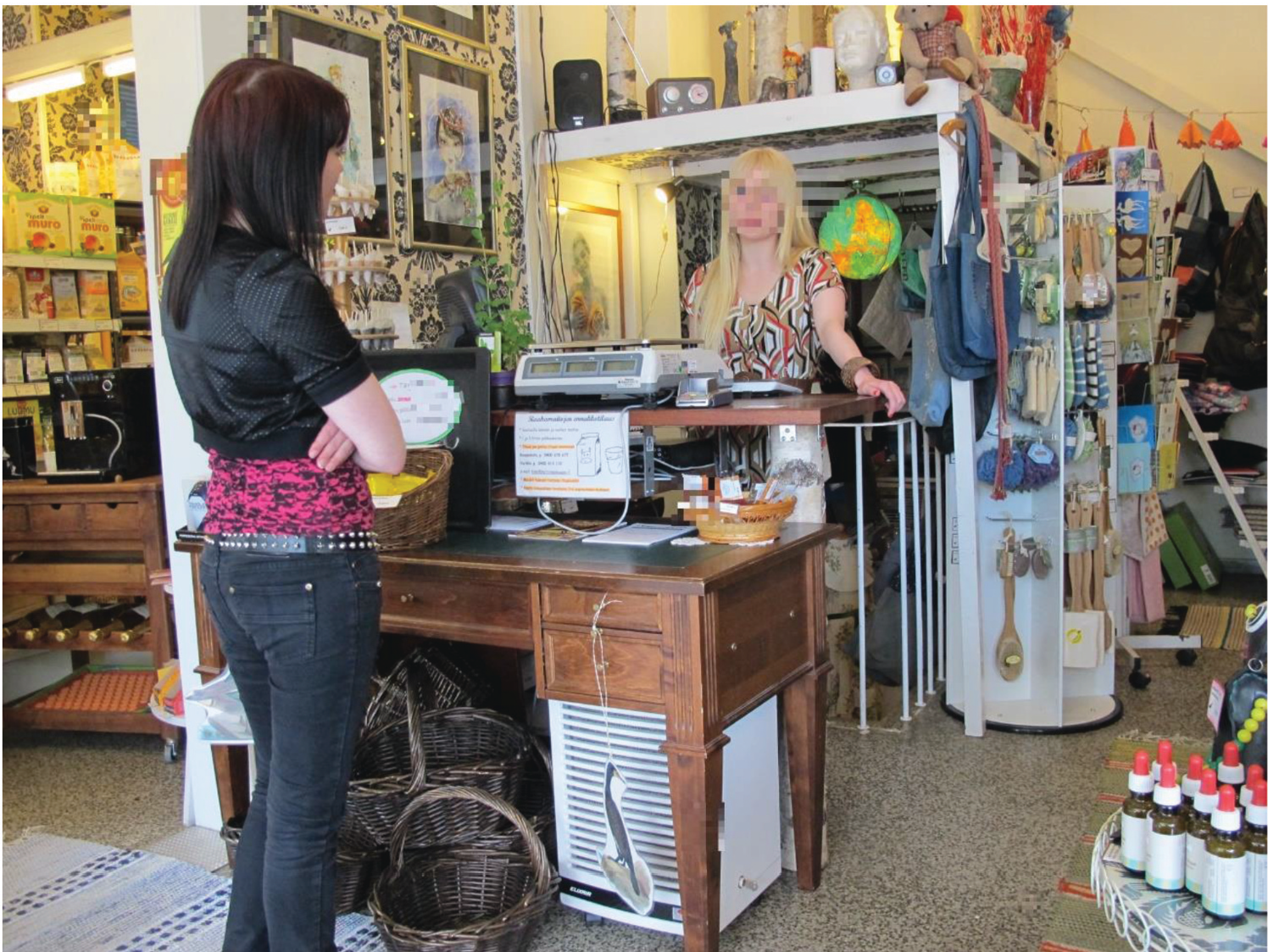 Figure: The interior of Kate's Boutique, showing the use of high-density visual and tactile cues to create an "old-fashioned general store" atmosphere.
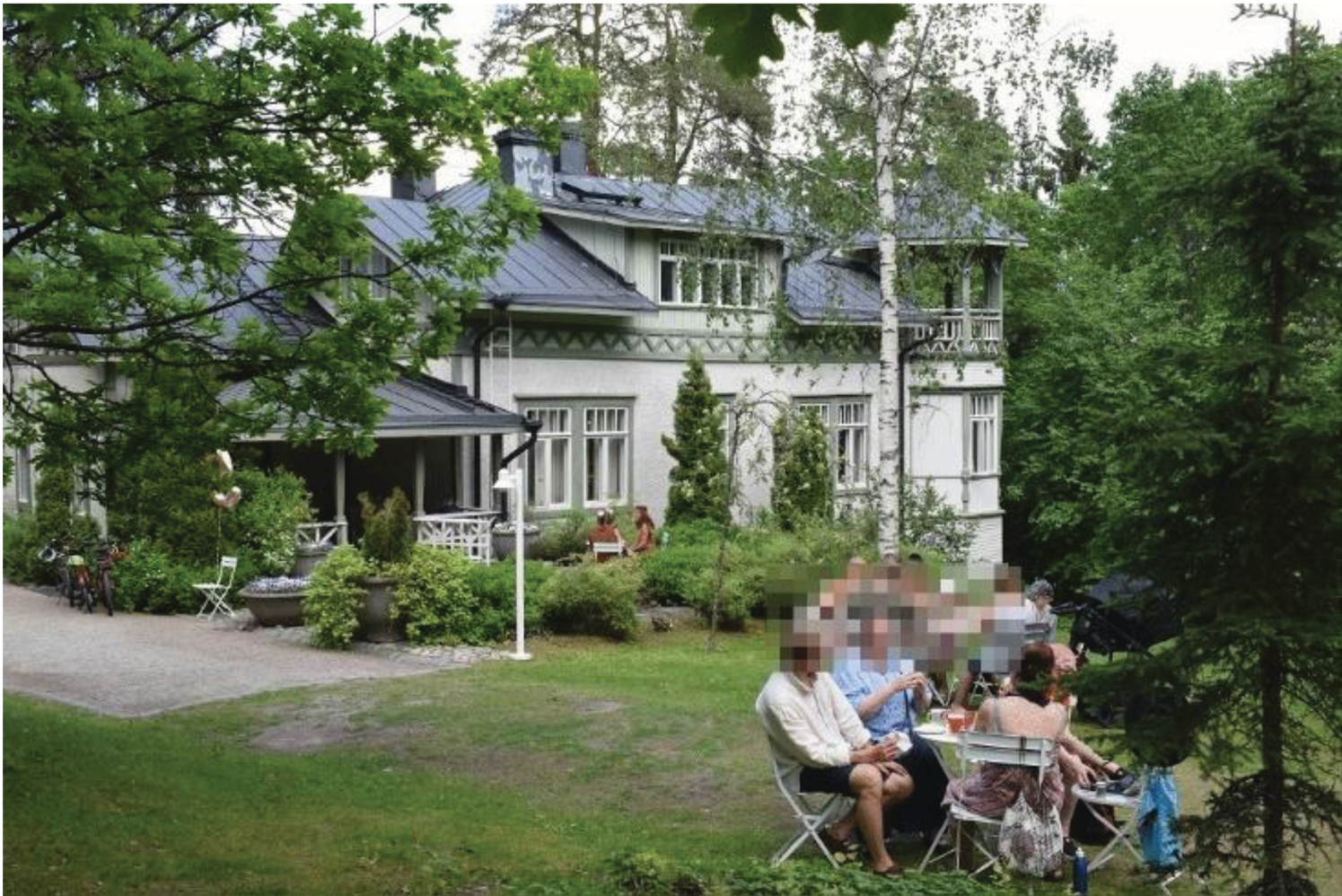 Figure: The Tea Room’s historical courtyard, which leverages "Aesthetic Nostalgia" to distance consumers from the stress of modern mass-consumption.
Critical Insight: The Managerial "Takeaway"
The paper warns that these cues can be double-edged. While a "bohemian" aesthetic attracts certain ethical groups, it can also lead to exclusion. If a shop feels too "greenie" or "high-society," it may alienate the very mainstream consumers needed to scale sustainable habits.
Conclusion: To win in the future of retail, don't just "talk" about your supply chain on a website. Build a space where the air smells of the product's origin, the furniture tells a story of the past, and every interaction feels like a personal act of care.
Future Outlook
As commerce moves online, the next frontier is the Digital Servicescape. How do we translate the "smell of tea" or the "feel of vintage wood" into a mobile app experience? This study provides the psychological blueprint (Aesthetics, Nostalgia, Care) that digital architects must now find a way to digitize.